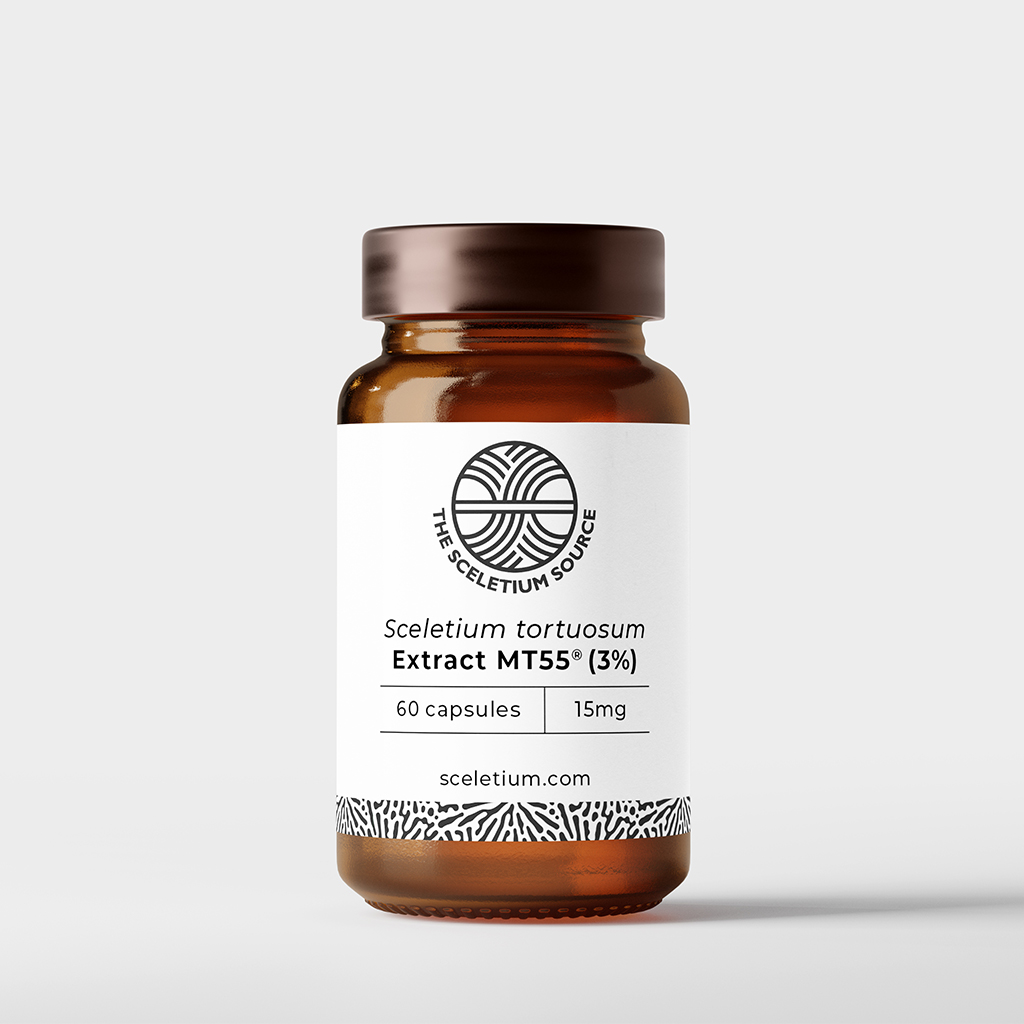
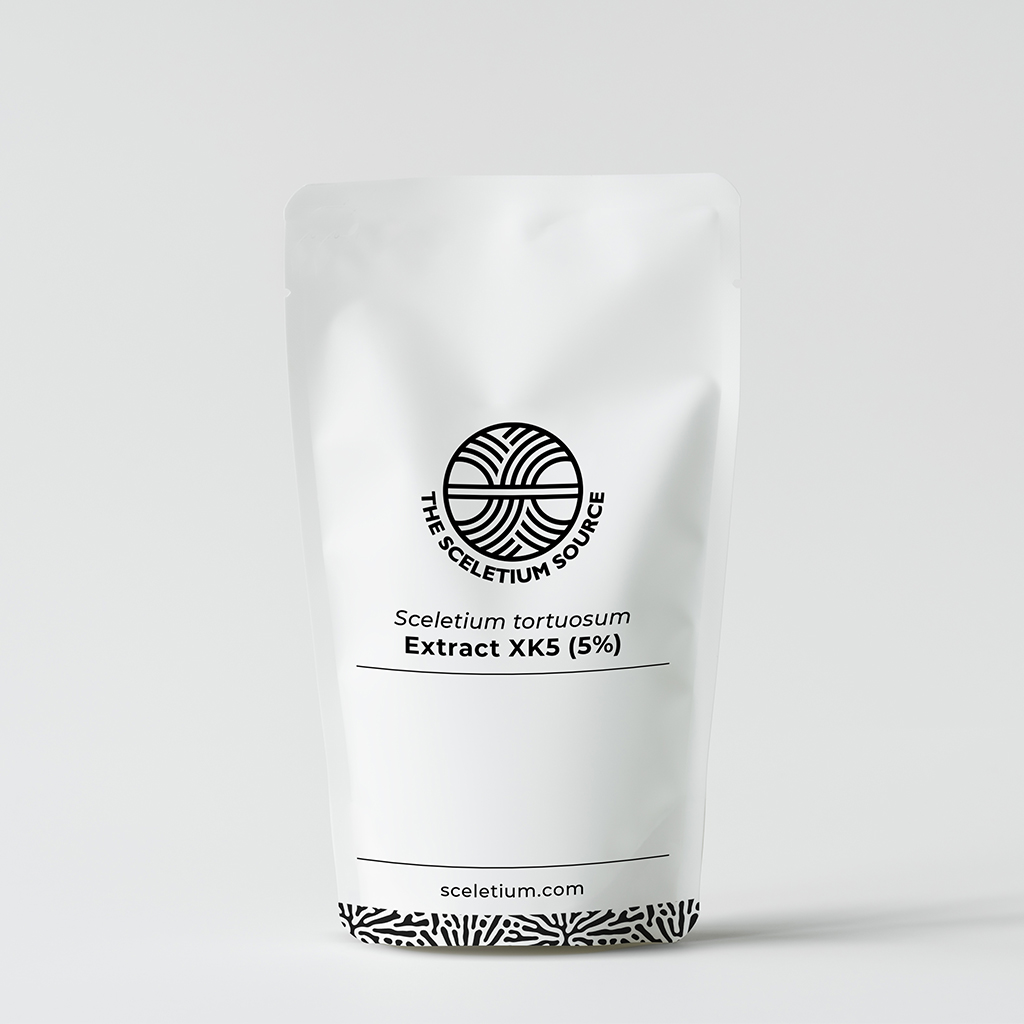
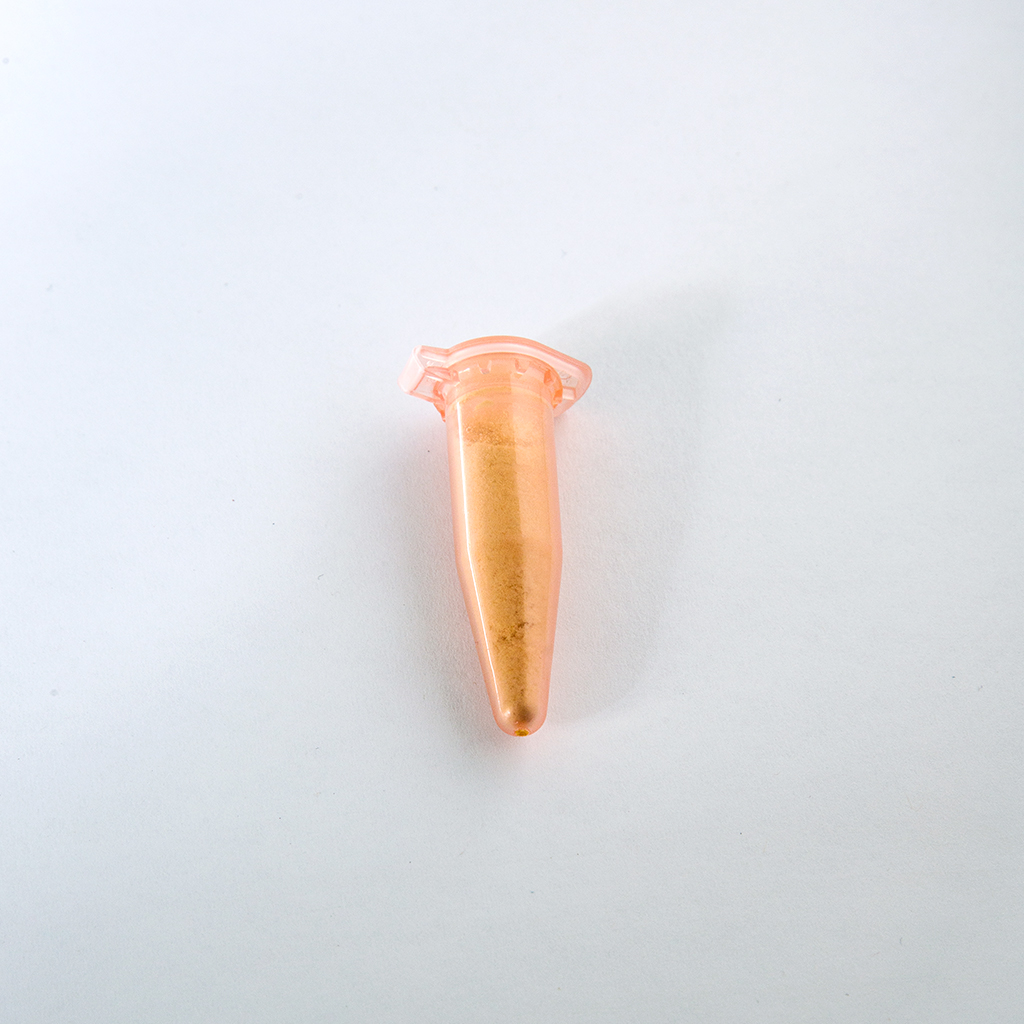
The Sceletium Source supplies Sceletium tortuosum, widely known as kanna, to customers across the UK. You can order a single item for personal use or request bulk quantities for formulation, manufacturing and resale. Everything we list comes from growers and manufacturers in Southern Africa, and lab documentation is available on request.
New to the plant? Start with our knowledge section. Ready to buy? Head straight to the shop.
What Is Sceletium (Kanna)?
Sceletium is a genus of succulent plants native to South Africa. Sceletium tortuosum is the species most often sold, and it goes by many names: kanna, channa, kougoed, kauwgoed and tortuose fig marigold. Sceletium expansum is a closely related species. For centuries the San and Khoikhoi peoples of Southern Africa have chewed the fermented, dried plant, called kougoed, as part of everyday and ceremonial life.
Modern researchers have looked at the plant’s alkaloids, mainly mesembrine and mesembrenone, and at how they relate to mood, cognition and stress response. This research is still developing, and we do not make medical claims about any product we sell. If you want to read the science for yourself, this peer-reviewed paper on a Sceletium tortuosum extract cites much of the key literature.
Forms of Kanna We Supply
We stock both traditional and modern preparations, so you can choose the format that suits your use or your product.
– Traditional fermented kougoed, prepared in the way the Khoisan have used it for generations
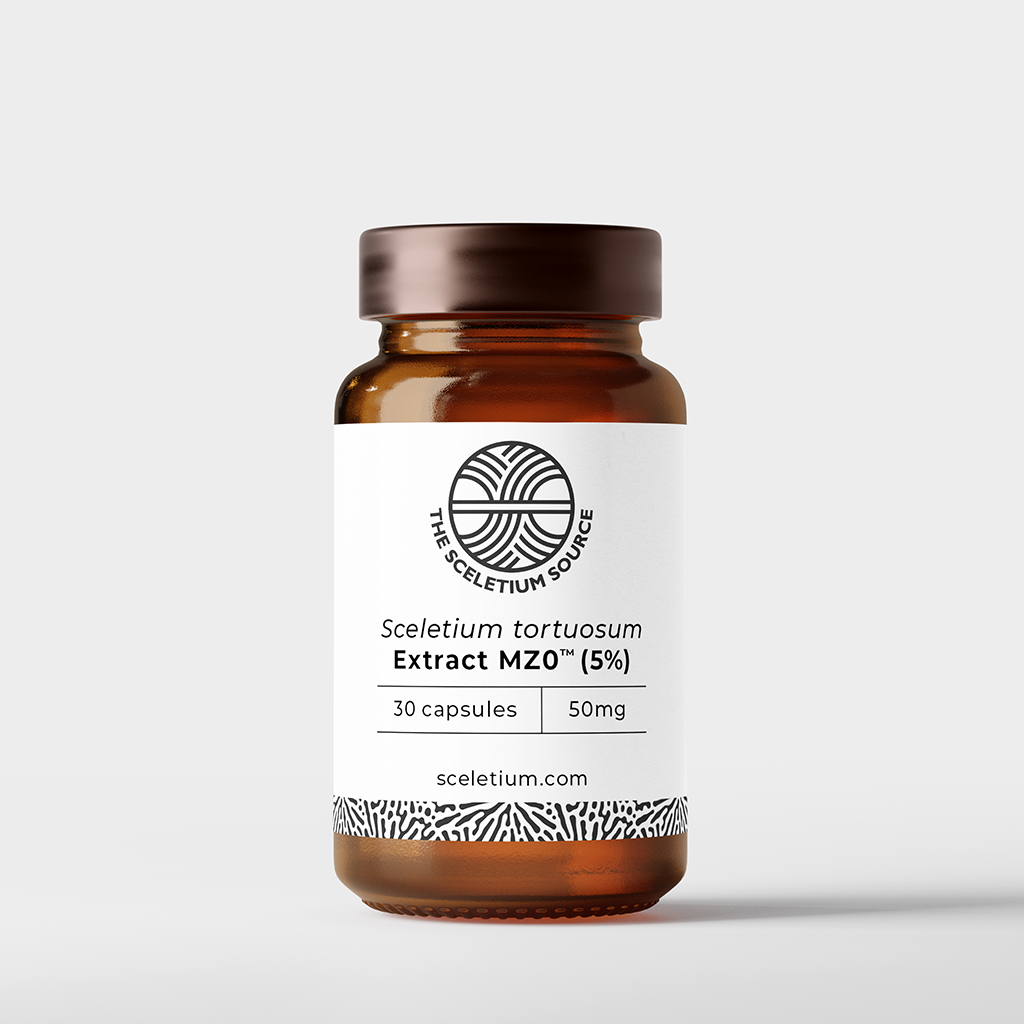
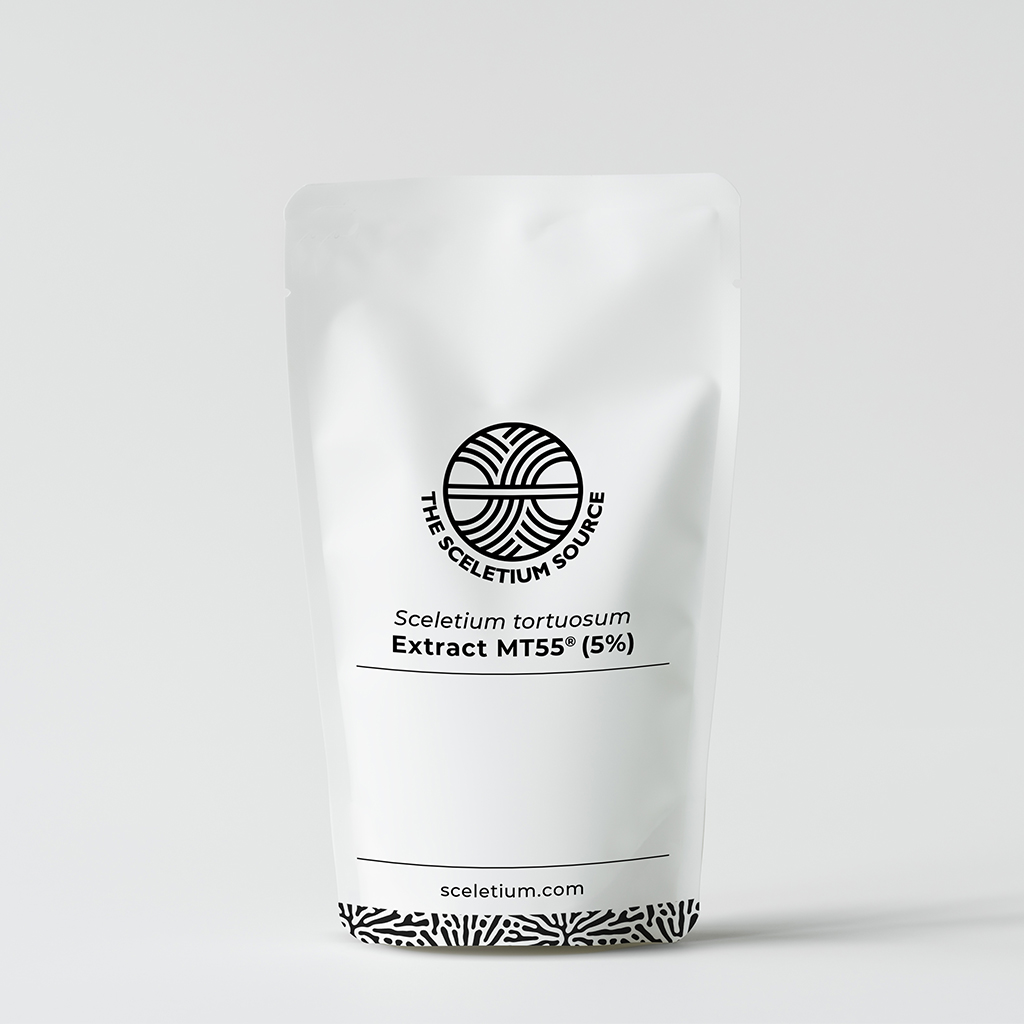
– Standardised extracts, made by specialist manufacturers in Southern Africa
– Other formats are listed in the Sceletium shop
Retail and Bulk Orders
Our customers range from individual buyers to formulators, manufacturers and resellers. Retail orders can be placed directly in the shop. For larger volumes, including standardised extract in bulk, get in touch through our contact page with the product, quantity and delivery location, and we will come back with availability and a quote.
Sourcing and Quality
We work directly with farmers and manufacturers in Southern Africa rather than buying through middlemen. That gives us a clear line of sight from plant to package. Lab documentation for our products is available on request, and you can read more about how we work on our about page.
Rules on how supplements and novel foods may be sold and labelled differ by product type, so if you are a business buying for resale, check the current guidance from the Food Standards Agency before you launch.
Using Kanna Responsibly
Sceletium products are not medicines and are not intended to diagnose, treat or prevent any condition. If you are pregnant or breastfeeding, take prescription medication (especially antidepressants) or have a medical condition, speak to your GP or pharmacist before use.
Frequently Asked Questions
What is kanna?
Kanna is the common name for Sceletium tortuosum, a succulent from South Africa. It is traditionally chewed in fermented form, known as kougoed. Today it is also sold as dried herb and as standardised extract.
Is Sceletium the same as kanna?
Sceletium is the plant genus and kanna is the everyday name for its best-known species, Sceletium tortuosum. People also use the names channa, canna and tortuose fig marigold for the same plant.
Do you sell Sceletium in bulk?
Yes. We supply bulk quantities to formulators, manufacturers and resellers. Send us the product, volume and delivery details through the contact page and we will confirm availability and pricing.
Can I get lab documentation for your products?
Yes. Lab documentation is available on request, and we can share it before you place a larger order.
What is kougoed?
Kougoed (also written kauwgoed) is the traditional fermented form of Sceletium. The name comes from the Afrikaans word for “chewing stuff”, reflecting the way the San and Khoikhoi peoples used it.
Is Sceletium legal in the UK?
Sceletium tortuosum is not a controlled drug under the UK Misuse of Drugs Act. How a product may be sold, described and labelled still depends on its form and intended use, and food regulations such as the novel food rules can apply. Check current Food Standards Agency guidance, and ask us if you are unsure about a specific product.